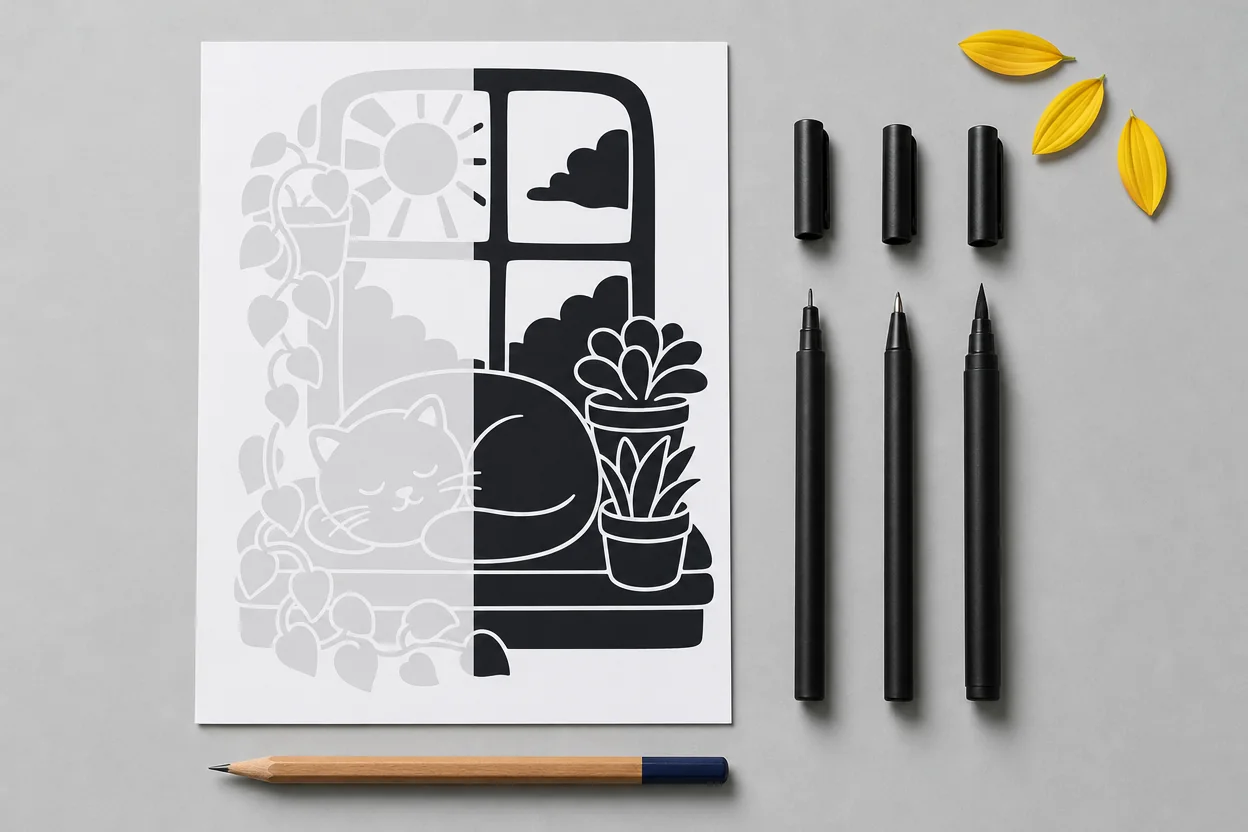
In one-color coloring the pen is your whole palette, so it matters more than in any other style. A good one fills shapes evenly, stays black (or whatever color you chose) and does not soak through the page. This guide explains which kinds of pens and markers work, which to avoid, and how to test a new one in two minutes.
The short version: what to use
- Best all-rounder: a water-based dual-tip marker or brush pen, with a brush end for large shapes and a fine end for small ones.
- Best for small, detailed pages: a fine brush pen with a firm tip, plus a 0.3 to 0.5 mm pigment fineliner for tiny shapes.
- Best for bold, large shapes: a real-bristle pocket brush pen, which lays down a lot of very black ink quickly.
- Safest on thin paper: a colored pencil. Slower, but it never bleeds.
- Avoid on normal paper: alcohol markers and permanent markers such as Sharpies. They bleed through most coloring paper.
Pen types compared
| Type | Good for | Bleed risk | Well-known examples |
|---|---|---|---|
| Water-based dual-tip marker | Everything: brush fills, fine edges | Low to medium | Tombow Dual Brush Pen, Ohuhu water-based dual tip |
| Firm brush pen | Control, small and medium shapes | Low | Tombow Fudenosuke (hard tip) |
| Bristle brush pen | Large shapes, deep black | Medium (wet ink) | Pentel Pocket Brush Pen |
| Pigment fineliner | Tiny shapes, tidy edges | Very low | Sakura Pigma Micron 03 or 05 |
| Gel pen | Accents, small areas | Low, but smudges | Sakura Gelly Roll |
| Colored pencil | Soft finish, any paper | None | Any artist-grade pencil |
| Alcohol marker | Very smooth fills on heavy paper | High | Copic, alcohol-based Ohuhu |
| Permanent marker | Not recommended | High | Sharpie |
Brand names are examples to help you recognize each type in a shop, not paid recommendations. Any pen with the same features will do the same job.
Water-based or alcohol-based markers?
For coloring books and printed pages, water-based markers are the better choice. Alcohol ink soaks straight through most paper, so it ruins the design on the back of a double-sided book and marks the table under a loose sheet. Water-based ink sits closer to the surface. It can still show through very thin paper, which is why a scrap sheet underneath is a good habit with any marker.
Alcohol markers do blend beautifully, but blending is not the point of one-color coloring. If you love them, use them on single-sided pages printed on heavy paper or cardstock, with a blotter sheet behind.
Black or a color?
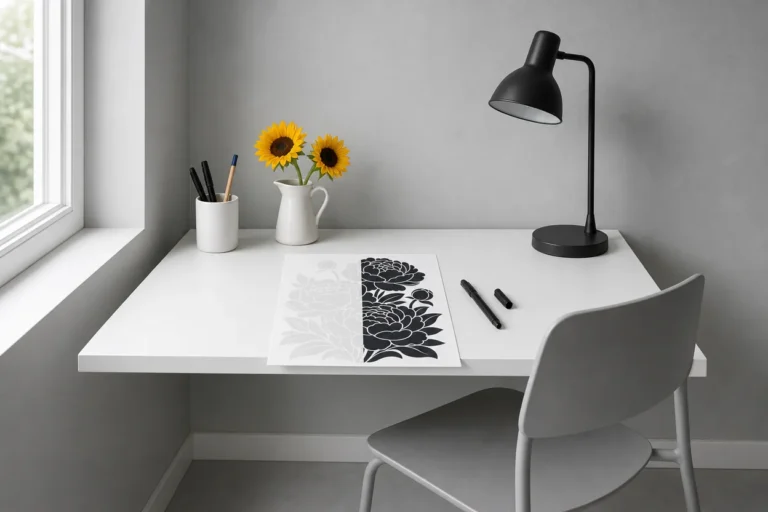
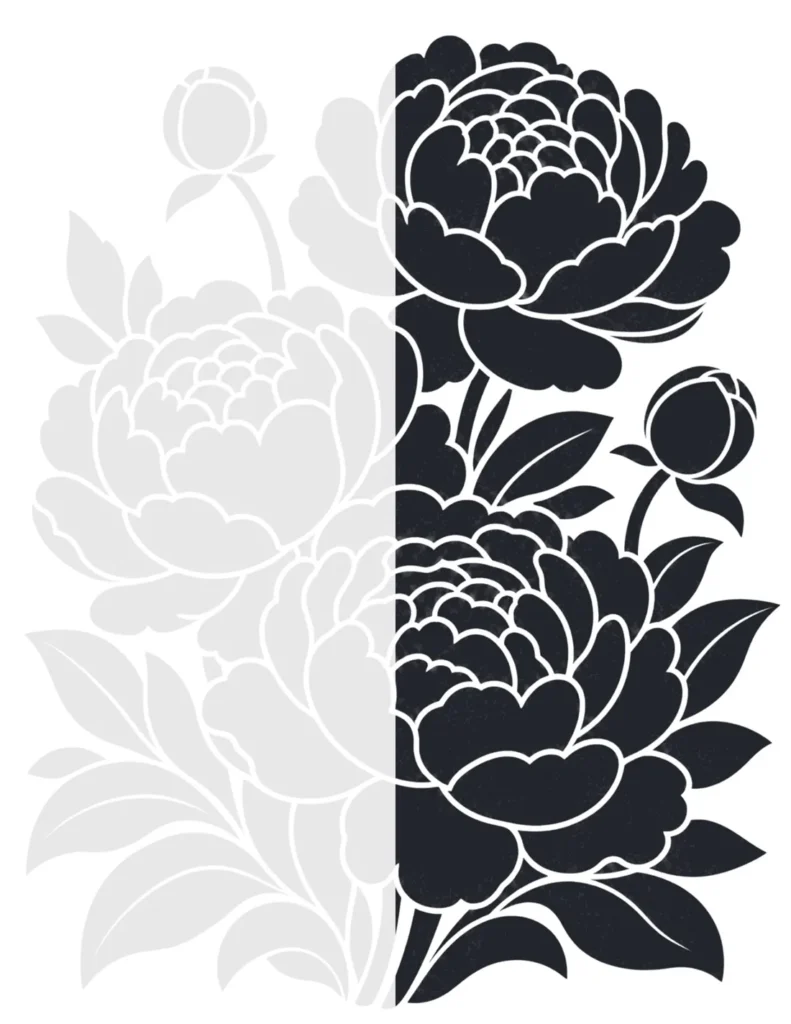
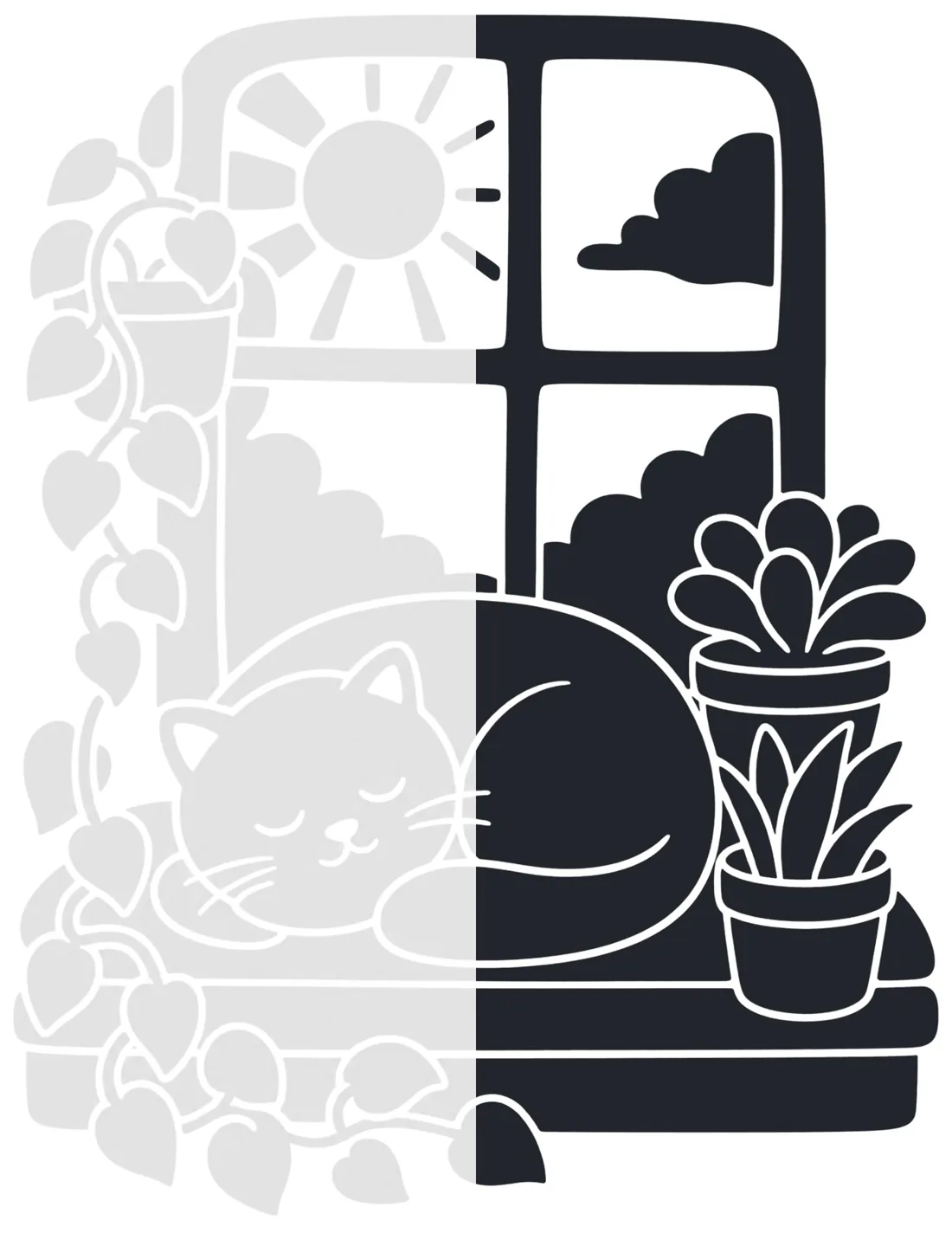
Black is the classic choice: a gray-guide page colored in black becomes a crisp black-and-white print. It is also the most forgiving, since small differences in ink density are hard to see. A single dark color (navy, deep green, burgundy, sepia brown) gives a softer, vintage look. Very light colors make the white lines between shapes harder to read, so keep to mid or dark tones.
Brush tip, fine tip or both?
Most monochrome pages mix large and small shapes. A brush tip fills a big petal in a few strokes; a fine tip gets into the narrow spaces without crossing the white gaps. That is why dual-tip pens are the easiest place to start. If you prefer single pens, pair one brush pen with one fineliner of the same black.
A two-minute test before you color a page
- Print one page, or use the back corner of a sheet from the same paper.
- Color a small square slowly, then go over half of it a second time.
- Wait a minute and turn the sheet over.
- If the ink shows clearly on the back, use a scrap sheet, switch to heavier paper or choose a drier pen.
- Run a finger across the square. If it smudges, give that pen more drying time.
Paper for printable pages
If you print your own pages, paper makes as much difference as the pen. Ordinary copy paper (about 20 lb, or 75 gsm) is fine for pencils and fineliners. For brush pens and markers, a heavier paper of 28 to 32 lb (about 105 to 120 gsm), or a light cardstock, stops show-through and gives a smoother fill. Always print at 100% scale so the shapes keep their spacing.
A simple starter kit
- One water-based black dual-tip marker or brush pen
- One 0.3 or 0.5 mm black pigment fineliner
- A few sheets of heavier printer paper
- A scrap sheet to slide under the page
That is all you need to color any one-color page. To understand the style itself, read what is monochrome coloring?, and if you are choosing a book, our one-color coloring book checklist covers paper and printing.
Test your pens on a free page
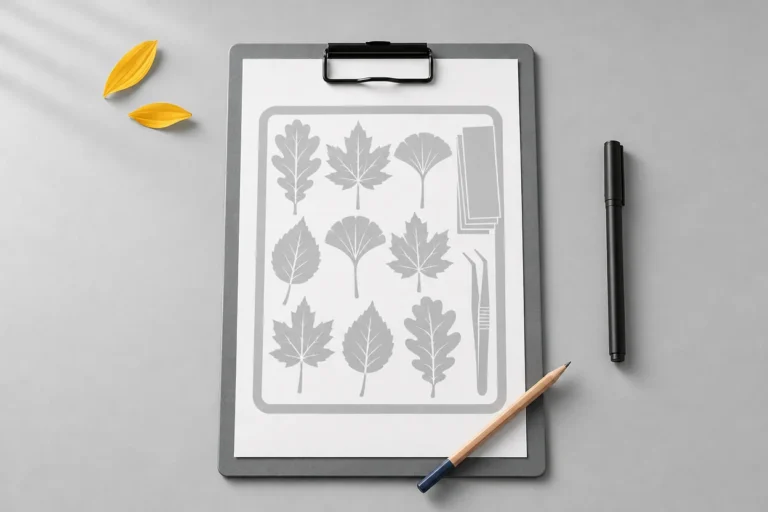
Our free botanical pack has 10 gray-guide garden pages made for one dark pen, as an A4 PDF that also prints on US Letter. Print a page on your usual paper and run the two-minute test above.
Frequently asked questions
What is the best pen for monochrome coloring books?
A water-based dual-tip marker or brush pen is the best all-rounder: the brush end fills large shapes and the fine end handles small ones without crossing the white gaps. Add a 0.3 to 0.5 mm pigment fineliner for very small details.
Do Sharpies bleed through coloring books?
Yes, almost always. Sharpies use alcohol-based permanent ink that soaks through ordinary coloring paper and can ruin the page behind. Use them only on single-sided pages with a blotter sheet, or choose a water-based marker instead.
Are alcohol or water-based markers better for coloring books?
Water-based markers are better for most coloring books because they are far less likely to bleed through. Alcohol markers blend more smoothly but need heavy paper, single-sided printing and a blotter sheet behind the page.
Can I use colored pencils for monochrome coloring?
Yes. A single colored pencil gives a soft, forgiving finish and never bleeds, so it suits thin paper and first attempts. It takes longer than a marker to look solid; build the color in two or three light layers.
Which markers don’t bleed through paper?
Pigment fineliners and firm-tip water-based brush pens are the least likely to bleed. Any marker can show through very thin paper, so test it on a spare corner and keep a scrap sheet underneath.