

Coloring has a reputation as a stress reliever, and for once the reputation is mostly earned. Small studies show that short coloring sessions can lower anxiety, ease stress and help attention settle. They also show the limits: the effects are modest and short-term, and coloring is not a treatment. This guide sums up what coloring can do for adults, what the evidence says and how to get the most out of it.
The main benefits of coloring for adults
- Lower anxiety in the moment. Coloring a structured design for about 20 minutes reduced anxiety compared with coloring a blank page in a classic study (Curry and Kasser, 2005).
- Less perceived stress. Brief mindful coloring sessions reduced perceived stress in a 2022 randomized trial with hospital nurses (Medicine, 2022).
- A focused, quieter mind. Filling clear shapes gives attention one simple job, which can interrupt worrying and rumination.
- A gentle way into mindfulness. Adding simple mindfulness instructions to coloring increased mindfulness and lowered anxiety in one study (Mantzios and Giannou, 2018).
- A screen-free break. Coloring is one of the few relaxing activities that does not involve a screen, which makes it a natural evening wind-down.
- Low-pressure creativity. There is no blank page and no “wrong” answer, so people who say they are not artistic can still make something they like.
- Fine motor practice. Controlled pen movements keep the hands busy and steady, something many older adults appreciate.
Is coloring good for your brain?
Coloring is not a brain-training exercise, but it does engage attention, visual processing and fine motor control at the same time, in a relaxed way. Researchers think much of the calming effect comes from focused attention on a simple, repetitive task, similar to what happens in light meditation: the mind has something to hold on to, so it wanders less toward worries. An April 2026 Time report on new research made the same point: even a few minutes of coloring can noticeably change how stressed people feel.
What coloring has not been shown to do is prevent cognitive decline or treat a mental health condition. Treat claims like that with caution.
Does coloring help with anxiety?
It can help in the short term. Coloring keeps attention on the page and slows the pace of a session, which many people find calming when anxious thoughts are running. Structured designs (mandalas, patterns, botanicals) seem to help more than free drawing, probably because they remove the pressure of a blank page.
Coloring is a complement to care, not a replacement for it. If anxiety is persistent, severe or affecting daily life, please talk to a doctor or a mental health professional. Coloring can still be one helpful, gentle part of your routine alongside that support.
What the evidence does and does not show
| Claim | What research suggests |
|---|---|
| Coloring lowers anxiety | Yes, short-term, in several small studies |
| Coloring reduces stress | Yes, modestly, especially with brief, regular sessions |
| Structured pages help more than blank ones | Some evidence, yes |
| Coloring is as good as meditation | Not established; it shares some features |
| Coloring treats anxiety or depression | No; it is not a therapy on its own |
| Coloring prevents cognitive decline | No good evidence |
How to get the most out of coloring
- Keep sessions short and regular. Ten to twenty minutes most days helps more than a long session once a month.
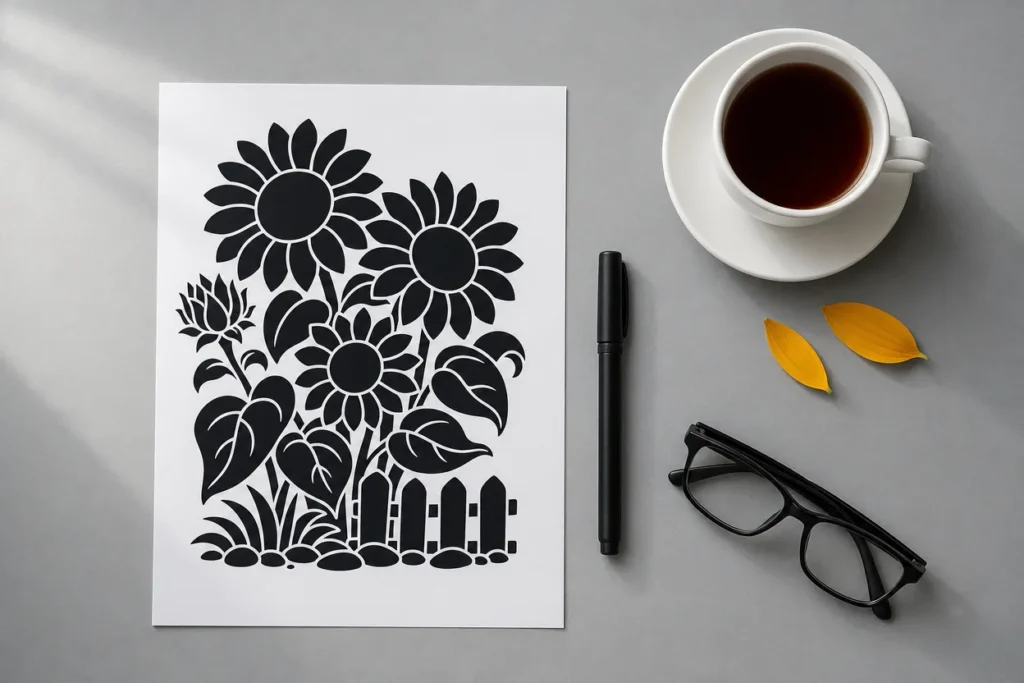
- Choose structured pages with few decisions. Clear shapes, open white space and, if choosing colors tires you, one color only. Our guide to monochrome coloring explains the one-color approach.
- Put the phone in another room. The screen-free part is half the benefit.
- Add a mindful start. Three slow breaths and a moment to notice the pen and paper. Our mindful coloring guide has a simple routine.
- Stop while it still feels good. An unfinished page is not a failure; it is tomorrow’s session.
Who benefits most?
Coloring suits almost anyone who wants a calm, low-effort pause: people with demanding jobs, carers, students, retirees and anyone who struggles to sit still in silent meditation. It is especially useful for people who say they are “not creative”, because the design is already done. People who find it boring often enjoy it more with simpler pages and shorter sessions, or with a different theme. For practical advice on picking pages, see how to pick a coloring book for stress relief.
Start with a free page
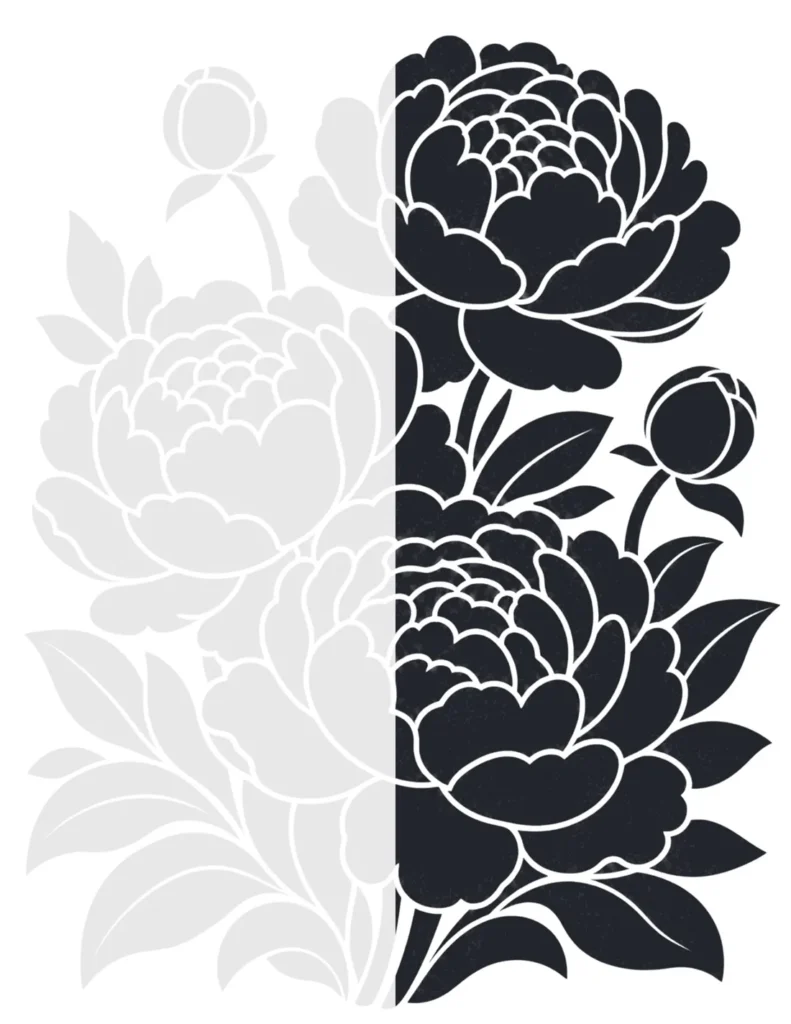
Our free botanical pack has 10 calm, one-color garden pages as an A4 PDF that also prints on US Letter. Print one, set a 15-minute timer and notice how you feel before and after.
Frequently asked questions
What are the benefits of coloring for adults?
Coloring can lower anxiety and stress in the short term, help attention settle, offer a screen-free break and give a low-pressure creative outlet. The effects are modest but consistent in small studies, and they work best with short, regular sessions on structured pages.
Is coloring good for your brain?
It engages attention, visual processing and fine motor control in a relaxed way, which can calm a busy mind. It is not a brain-training tool and there is no good evidence that it prevents cognitive decline, but it is a healthy, restful habit.
Does coloring help with anxiety?
For many people, yes, in the moment. Focusing on clear shapes slows racing thoughts, and studies show reduced anxiety after about 20 minutes. It is not a substitute for professional treatment if anxiety is persistent or severe.
How long should adults color to feel the benefits?
Ten to twenty minutes is enough for most people to feel calmer, and many studies use sessions of that length. Regularity matters more than duration, so a short session most days is the best habit.
Is coloring as good as meditation?
Not exactly, but they share features: focused attention, a slower pace and a break from worrying. Coloring can be an easier entry point for people who find silent meditation hard, especially when combined with a few mindful breaths before starting.