

Mindful coloring is coloring with your full attention on the present moment: the pen, the paper, the shape in front of you. It turns an ordinary coloring session into a short, accessible mindfulness practice, with no experience and no silence required. Here is what it is, why it works and a simple 15-minute routine you can try tonight.
What is mindful coloring?
Mindful coloring means coloring on purpose, slowly, while noticing what you are doing instead of thinking about something else. You pay attention to the feel of the pen, the sound it makes on the paper and the edge of each shape. When your mind drifts to tomorrow’s to-do list, which it will, you notice that and gently bring your attention back to the page. That noticing and returning is the whole practice.
It differs from ordinary coloring in intention more than in materials. You can color mindfully on any page, but simple, structured designs with few decisions make it much easier.
Why mindful coloring works
- It gives attention an anchor. Meditation asks you to focus on the breath; mindful coloring gives you something visible and physical to hold on to, which many people find easier.
- Structure reduces mental load. A ready-made design tells your hand where to go. Coloring structured designs reduced anxiety more than free drawing in a classic study (Curry and Kasser, 2005).
- Instructions make a difference. Adding simple mindfulness guidance to coloring increased mindfulness and lowered anxiety compared with coloring alone (Mantzios and Giannou, 2018).
- Short sessions are enough. Brief mindful coloring reduced perceived stress in a 2022 trial with nurses (Medicine, 2022).
A 15-minute mindful coloring routine
- Set up (1 minute). Choose one page and one pen. Put your phone in another room or face down on silent.
- Arrive (1 minute). Sit comfortably. Take three slow breaths, a little longer on the out-breath than the in-breath.
- Notice your tools (1 minute). Feel the weight of the pen. Look at the paper, the gray shapes, the white space.
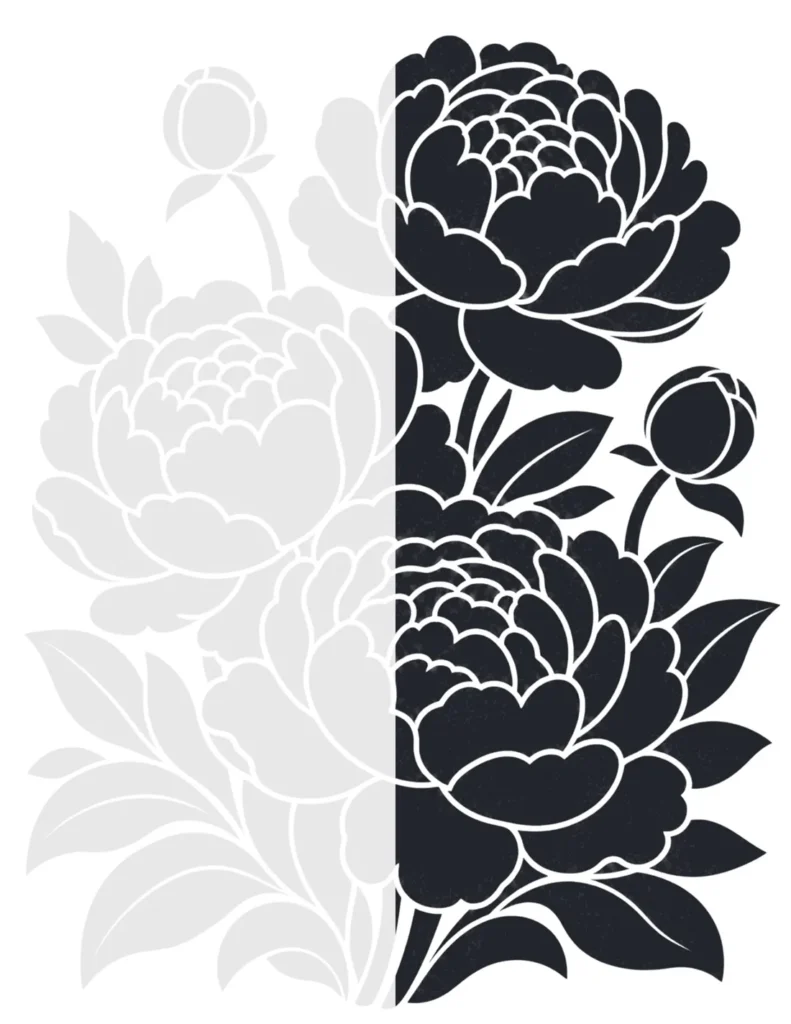
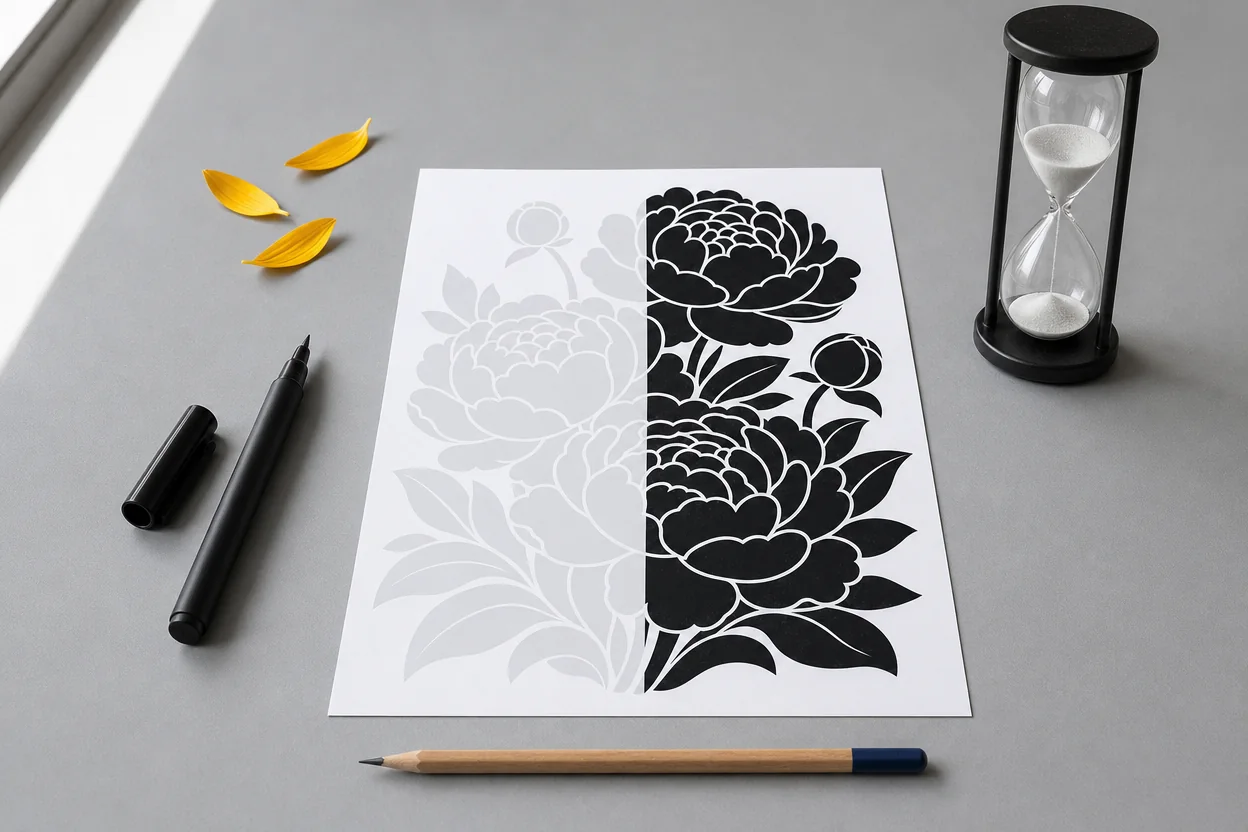
- Color slowly (10 minutes). Start with one large shape. Watch the ink cover the gray. Listen to the pen. Move at about half your usual speed.
- Return, without judging. Each time your mind wanders, notice where it went (“planning”, “worrying”) and bring it back to the edge of the shape you are coloring.
- Close (2 minutes). Put the pen down. Look at what you colored. Take three more slow breaths and notice how you feel compared with when you started.
Do it at the same time each day if you can. The routine matters more than the page.
Best pages for mindful coloring
| Page type | Why it helps | Good for |
|---|---|---|
| One-color (monochrome) pages | No color decisions, so more attention is free for noticing | Busy minds, evenings |
| Mandalas with open centres | Repetition makes each next step obvious | Longer sessions |
| Simple botanicals | Familiar shapes, calm subject | Beginners, short breaks |
| Repeating patterns | Rhythm, almost no thinking | Very tired days |
| Dense, intricate scenes | Can become a task to finish | Save for when you feel rested |
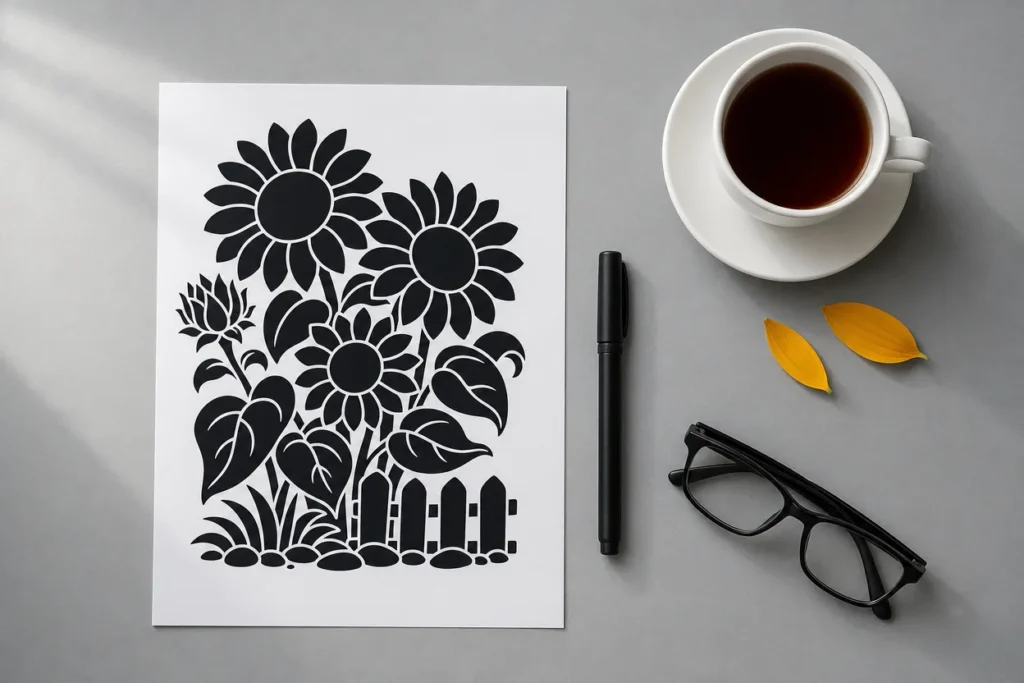
One-color pages suit mindful coloring especially well: with a single pen, nothing pulls you out of the moment to choose a color. Our guide to monochrome coloring explains how they work, and mandalas, flowers or patterns compares the other styles.
Common mistakes
- Trying to finish the page. The goal is attention, not completion. Stop when the timer ends.
- Judging the result. If you notice “that looks bad”, treat it like any other wandering thought and return to the shape.
- Multitasking. Coloring in front of a TV can be relaxing, but it is not mindful coloring. Keep this session quiet.
- Picking pages that are too hard. Fine detail can create tension. Choose clear shapes.
Mindful coloring for kids, teens and groups
The same routine works for older children and teenagers with shorter timings (five to ten minutes) and bigger shapes. In groups, a facilitator can read the steps aloud slowly. Keep the tone invitational: there is no right way to color and no need to share the result. Mindful coloring is a calming practice, not therapy; anyone struggling with anxiety or low mood should also have access to proper support.
Free pages for your first session
Our free botanical pack has 10 one-color garden pages, ideal for mindful coloring: one pen, no decisions, a calm subject. A4 PDF that also prints on US Letter.
Frequently asked questions
What is mindful coloring?
Mindful coloring is coloring with full, non-judging attention on the present moment: the pen, the paper and the shape you are filling. When your mind wanders, you notice it and gently return to the page. It works like an easy, hands-on form of meditation.
How do you practice mindful coloring?
Choose one simple page and one pen, put your phone away and take three slow breaths. Color slowly for about ten minutes, noticing the feel and sound of the pen. Each time your mind drifts, bring it back to the shape. Finish with three more breaths.
Is mindful coloring the same as meditation?
Not quite, but it shares the core skill of meditation: holding attention on something and returning when the mind wanders. Many people find it easier than sitting in silence, because the page gives them something to focus on.
What are the best mindful coloring pages?
Simple, structured pages with few decisions: one-color pages, mandalas with open centres, gentle botanicals and repeating patterns. Avoid very intricate designs when you are tired, because they can turn into one more task.
How long should a mindful coloring session be?
Ten to fifteen minutes is ideal for most adults, and five to ten minutes for children. Short, regular sessions are more helpful than occasional long ones, and studies of brief sessions still found reduced stress.